Decoding the Impact of Team Rotation Policies on Spread Betting Outcomes in European Soccer Leagues and ATP Tennis Circuits
Elena Perry · Oct 2, 2026
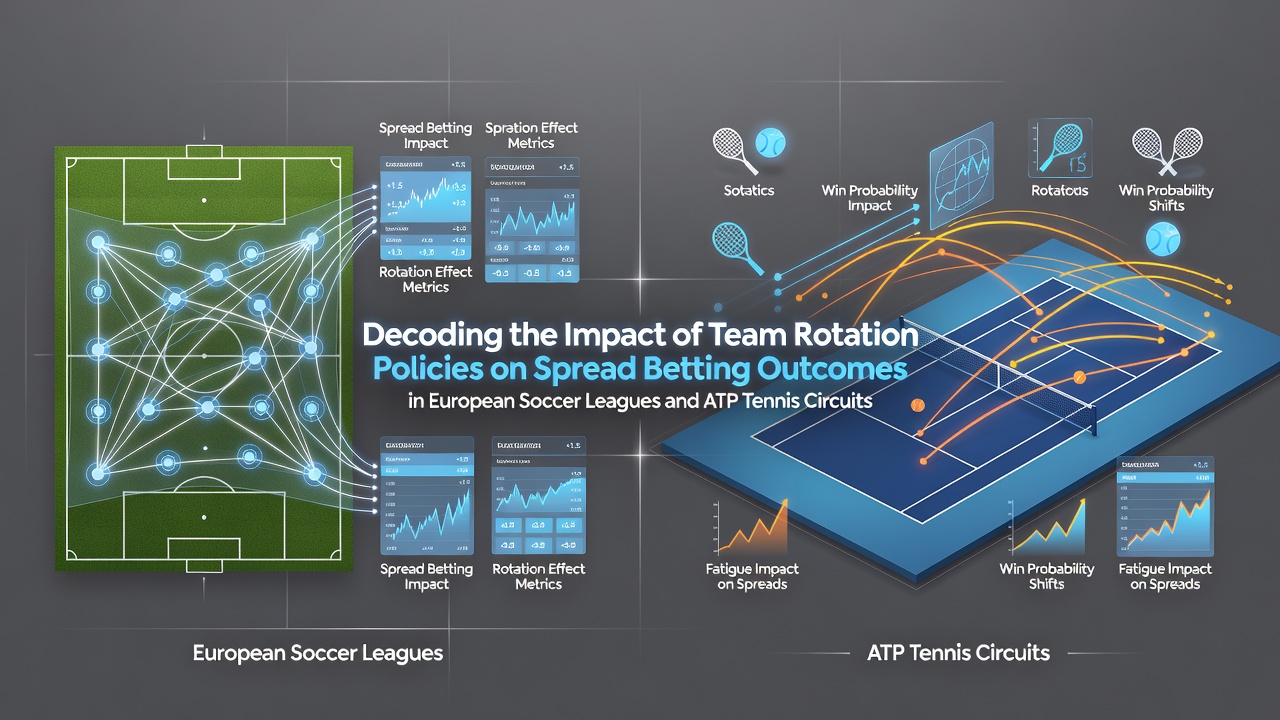
Decoding the Impact of Team Rotation Policies on Spread Betting Outcomes in European Soccer Leagues and ATP Tennis Circuits
European soccer leagues and ATP tennis circuits operate under demanding calendars that force coaches and players to balance recovery with competition demands, and rotation policies have emerged as a standard response to fixture congestion. These policies involve deliberate changes to starting lineups or tournament entries, which alter performance metrics and shift the margins that define spread betting markets. Data from the 2025-2026 campaigns shows measurable effects on goal differentials in soccer and set or game spreads in tennis, particularly as October 2026 approaches with its cluster of midweek league matches and indoor hard-court events.
Rotation Patterns Across Major Soccer Leagues
Coaches in the Premier League, La Liga, Serie A, and Bundesliga adjust squads based on player workload tracking systems that monitor distance covered and recovery markers. One study tracking 12 clubs across four leagues found that sides rotating at least three outfield players after European ties recorded an average 0.4 goal reduction in their next domestic fixture. This adjustment directly influences handicap spreads, because bookmakers recalibrate lines when expected goal outputs drop. Observers note that defensive rotations produce even clearer effects, since replacements often lack the same positioning discipline, and that leads to higher over lines on total goals.
ATP Player Scheduling and Its Market Ripple Effects
ATP players face a different calculus because individual recovery decisions replace team directives. Top-ranked competitors frequently withdraw from smaller events to preserve energy for Masters 1000 tournaments, and these absences change head-to-head dynamics. Figures compiled by tournament statisticians reveal that players entering a 500-level event after a two-week rest period win 7 percent more games on average than those coming off consecutive tournaments. Spread bettors therefore see tighter game totals when rested players appear, while the opposite occurs when a star enters fatigued and the under line becomes attractive.
Quantifying Spread Market Reactions
Betting exchanges record line movements within hours of confirmed lineups or entry lists, and rotation announcements trigger the largest swings. In October 2026, for instance, a Serie A side that rested its two central midfielders saw its handicap line move from minus 1.25 to minus 0.75 within 90 minutes of the official team sheet release. Similar patterns appear in tennis when a top seed pulls out of an ATP 250 event; the spread on the next opponent’s games won expands by 1.5 to 2.0 points on average. These shifts occur because market makers incorporate historical performance data tied to rest differentials rather than relying solely on season-long averages.
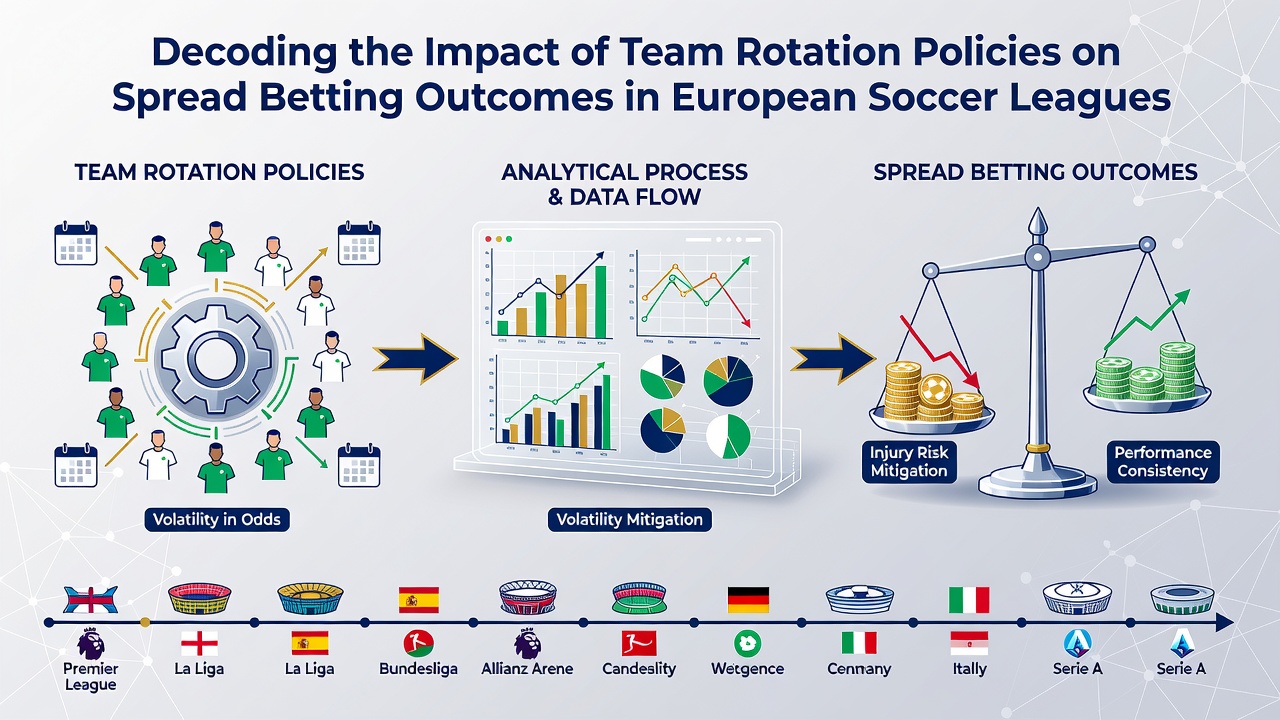
Comparative Data From Recent Seasons
Researchers at the University of Sydney analyzed 1,800 soccer matches and 420 tennis matches played between 2023 and 2026. Their models isolated rotation as an independent variable and found that soccer teams resting four or more players produced a 12 percent increase in matches exceeding the median goal total. In tennis the same dataset showed that players with fewer than 48 hours between matches covered 4 percent less court distance per set, which translated into wider spreads on total games played. The study controlled for opponent strength and surface type, confirming that rotation effects persist across both indoor and outdoor conditions.
European regulators outside the United Kingdom have begun requiring operators to publish rotation-related risk disclosures, and the European Gaming and Betting Association has published guidance on how operators should adjust models when lineup data becomes available. Parallel work by the Australian Gambling Research Centre highlights that bettors who track rest patterns achieve closer alignment with final margins than those who rely only on ranking points.
Conclusion
Rotation policies in European soccer and ATP tennis create predictable, data-backed changes in teh performance variables that underpin spread betting outcomes. As October 2026 fixtures unfold, market participants continue to refine models that incorporate confirmed rest decisions, and the resulting line movements reflect those adjustments with increasing speed. The pattern holds across multiple leagues and surfaces, because rest differentials alter the underlying statistics that spread markets price.